TRG —
By Zac Pritchett, TRG
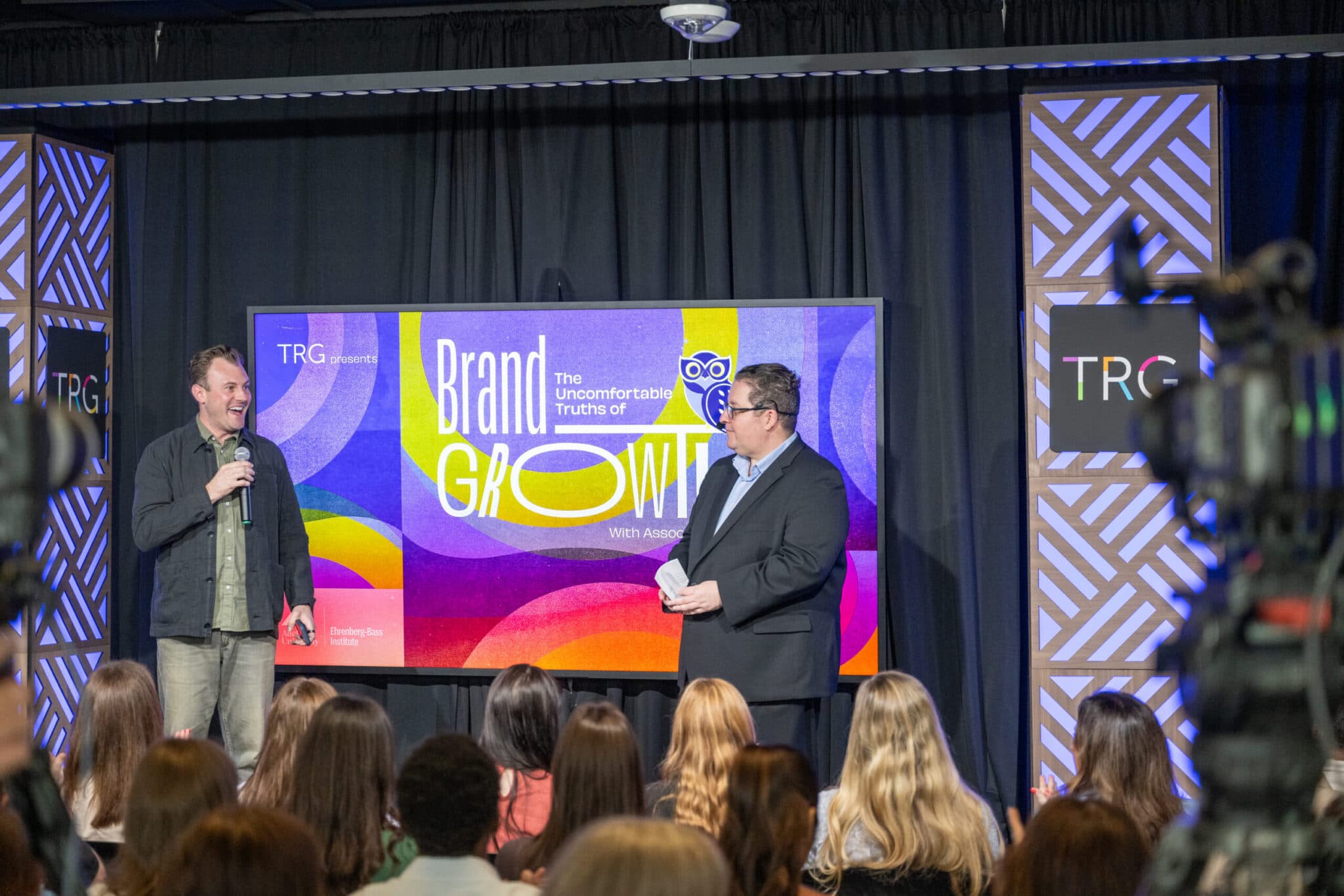
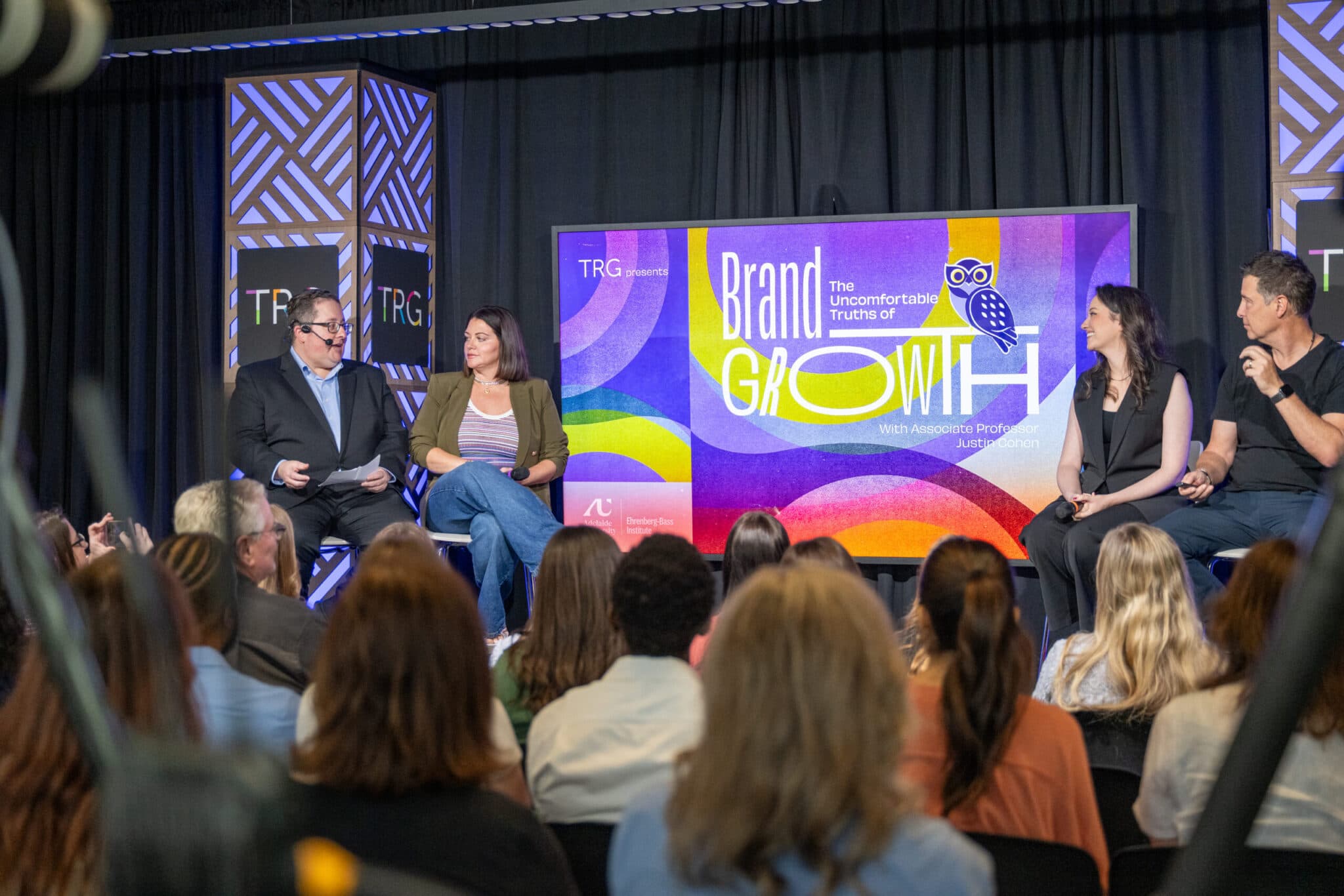
Last week, hundreds of marketers joined us at our home in Deep Ellum, and online from across the country, for an afternoon with Associate Professor Justin Cohen of the Ehrenberg-Bass Institute discussing The Uncomfortable Truths of Brand Growth.
On the surface, it was the latest installment in our Effectiveness Speaker Series. But in many ways, it represented something bigger.
This year marks TRG’s 50th anniversary as an independent agency. Over those five decades, we’ve had the privilege of helping grow some remarkable brands. But as our CEO, Pete Lempert, noted in his opening remarks, we’re not so proud that we stop learning.
The longer you’re in this business, the more you realize that growth is too important – and too difficult – to rely on assumptions, trends, or conventional wisdom. Understanding how brands really grow requires curiosity, humility, and a willingness to challenge ideas that may feel comfortable. That’s why conversations like this matter. And it’s why we’re committed to making Dallas a place where they happen more often.
A Growing Movement
For years, much of the most influential thinking around effectiveness has emerged from Australia, the UK, and Europe. Increasingly, however, marketers here in the United States are interested in a more evidence-based understanding of growth – one grounded not in opinions but in observation.
The turnout for this event reflected that appetite. Brand leaders, agency professionals, technology partners, university faculty, students, and researchers gathered around a common question: What do we actually know about how brands grow?
Not what we hope. Not what we assume. What does the evidence tell us?
The Uncomfortable Truths
Justin’s presentation challenged several of marketing’s most persistent assumptions.
The discussion touched on many of the principles that the Ehrenberg-Bass Institute has become known for: the importance of penetration, the role of mental and physical availability, the power of distinctive brand assets, and the reality that most consumers think far less about brands than marketers do. Perhaps the most important takeaway wasn’t any individual law or framework. It was the reminder that growth is often driven by broader reach rather than narrower targeting. By creating memory rather than chasing affection. By making brands easy to think of and easy to buy.
These ideas can feel uncomfortable precisely because they challenge many of the habits and incentives that have shaped modern marketing. That’s also why they’re valuable.
From Theory to Practice
After his presentation, rather than leaving the conversation in the realm of theory, Justin led a panel of marketers who are applying these principles in the real world. Leaders from Choctaw Casinos & Resorts and World’s Best Cat Litter joined us to discuss how evidence-based marketing principles are influencing decisions inside their organizations today.
The conversation moved beyond frameworks into practical realities: how brands build mental availability, how they think about category entry points, how they balance short-term performance with long-term growth, and how distinctive assets can become commercial assets when applied consistently over time.
What emerged wasn’t blind adherence to a playbook but a recognition that evidence provides a stronger foundation for decision-making, while creativity remains the force that brings those decisions to life. That balance – science informing creativity rather than replacing it – has long been at the heart of how we think about effectiveness at TRG.
Why We Host These Events
Our goal with the Effectiveness Speaker Series has never been to host speakers for the sake of hosting speakers. It’s to create a forum where marketers can learn together, challenge each other, and elevate the conversation around growth.
Over the past year, we’ve welcomed voices including James Hurman, Fergus O’Carroll, Pip Bingemann, and now Justin Cohen. Each has approached effectiveness from a different perspective, yet they all reinforce a similar idea: The future belongs to marketers who combine creativity with evidence.
That’s good news for agencies, good news for brands, and good news for the broader marketing community. Because when better questions are asked, better work tends to follow.
We’re grateful to Justin and the Ehrenberg-Bass Institute for traveling to Dallas, to our panelists for sharing their experiences, and to everyone who joined us in person and online.
If the energy in the room was any indication, this conversation is only getting started.